
Winter is a season most homeowners in the UK both love and dread. There’s something comforting about sitting inside while snow falls or the cold wind howls outside. But when your central heating and hot water suddenly stop working in the middle of winter, that comfort quickly turns into a stressful emergency. Boiler breakdowns during freezing temperatures can leave your home cold, your water unusable, and your family uncomfortable — or worse, unsafe.
Knowing how to respond when your boiler fails in the cold is crucial. Acting quickly, safely, and effectively can prevent further damage, reduce repair costs, and ensure your home stays warm when you need it the most. In this comprehensive guide, we’ll take you through everything you need to know about emergency boiler repairs, including troubleshooting, safety tips, what to do while waiting for a professional, and how to prevent future breakdowns.
Why Boilers Fail in Winter
Boilers are designed to handle the heating demands of a home, but winter can be particularly challenging. The cold weather puts extra pressure on your system, especially in older or poorly maintained units. Common reasons boilers fail in winter include:
- Increased demand – In cold months, your boiler works harder to maintain a consistent temperature in your home, which can strain components.
- Frozen pipes – Extremely low temperatures can cause water in pipes to freeze, preventing circulation and triggering pressure issues.
- Low boiler pressure – Heat loss and expansion during cold weather can sometimes cause a drop in pressure, leading to shutdowns.
- Wear and tear – Components like pumps, valves, and thermostats naturally degrade over time, making them more likely to fail under stress.
- Lack of maintenance – A neglected boiler is more prone to faults. Annual servicing is essential to ensure your boiler can handle winter demands.
Understanding why boilers fail helps homeowners take proactive steps, including scheduling annual maintenance before winter arrives.
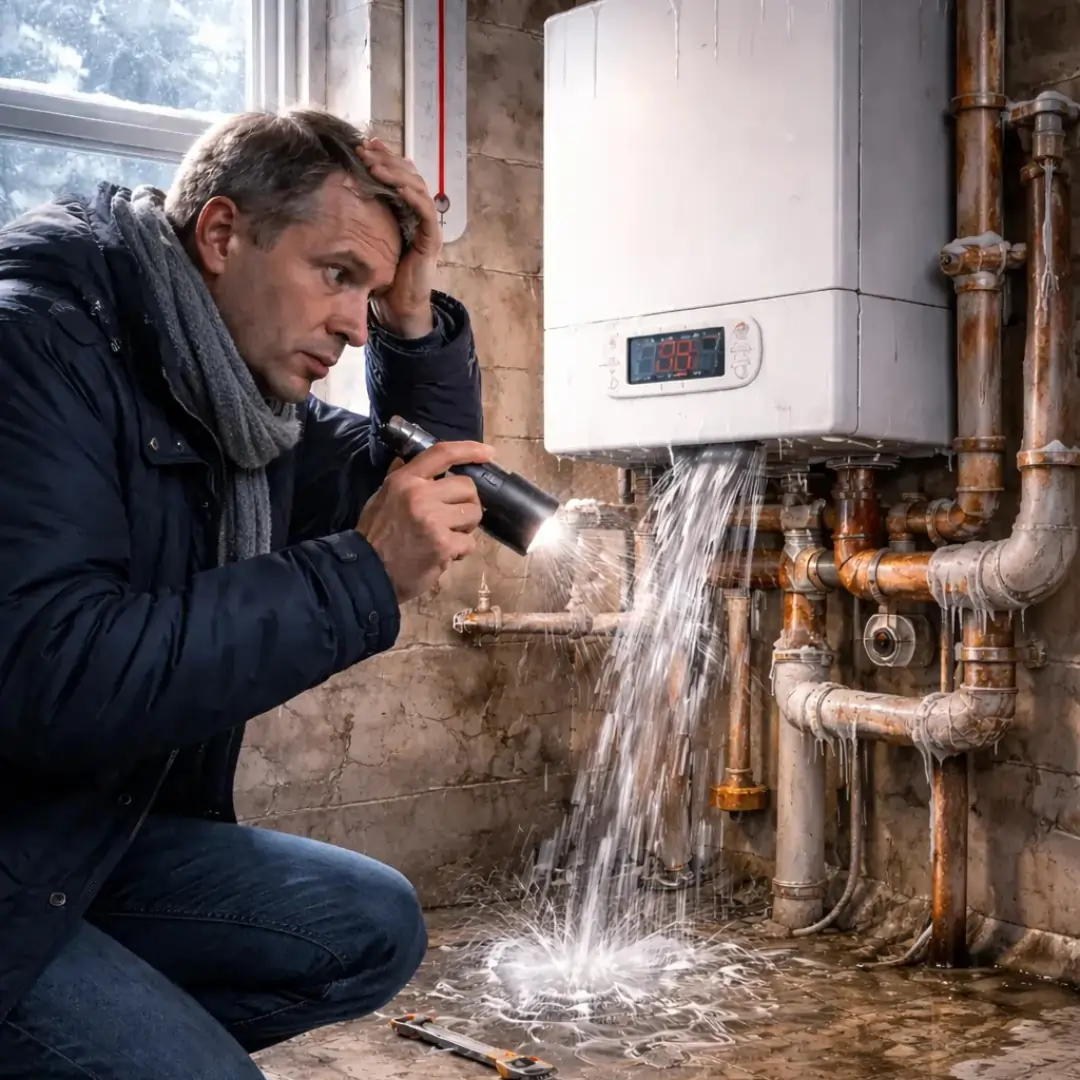
Immediate Steps to Take When Your Boiler Fails
When your boiler stops working, it’s important not to panic. Here’s what you should do first:
1. Check the Basics
Before calling an emergency engineer, ensure that the issue isn’t something simple:
- Power supply: Is the boiler switched on? Check the mains switch and the plug.
- Gas supply: Make sure your gas meter is working and no other appliances are affected.
- Thermostat settings: Sometimes the problem is as simple as a thermostat being accidentally turned down or off.
- Reset the boiler: Many modern boilers have a reset button. Refer to your boiler manual before pressing it, as frequent resets can cause damage. If your boiler continues to require frequent resets, it's time to call a professional for repairs.
2. Turn Off the Boiler if Necessary
If you notice leaks, strange noises, or a smell of gas, turn off the boiler immediately and isolate the gas and electricity supply. Safety comes first.
3. Check for Error Codes
Modern boilers often display error codes when something goes wrong. Note the code and share it with the engineer — it can speed up diagnosis and repair.
Troubleshooting Common Winter Boiler Problems
While some issues require professional attention, there are minor problems homeowners can safely check:
Frozen Condensate Pipe
Condensing boilers have a condensate pipe that can freeze in cold weather. Signs include:
- Boiler shutting down
- Displaying a frost-related error code
- Water dripping or a blocked pipe
Solution: Carefully thaw the pipe using warm water or a hairdryer, but never use a flame. If you're experiencing recurring frozen pipes or other common boiler issues, our guide on boiler repairs in Glasgow provides detailed troubleshooting tips.
Low Boiler Pressure
Boiler pressure should usually be between 1 and 2 bar. Low pressure can prevent your boiler from firing.
Solution: Re-pressurise the system using the filling loop, following the boiler manual. If pressure drops again quickly, there may be a leak.
Pilot Light or Ignition Problems
Older boilers may have pilot lights that go out. Modern boilers may fail to ignite due to electrical or gas supply issues.
Solution: Only relight a pilot if you are confident it’s safe. Otherwise, call a Gas Safe engineer.
Radiator or Pump Issues
If some radiators remain cold, the problem may not be the boiler itself but air trapped in the system or a faulty pump.
Solution: Bleed radiators and check the pump operation. If bleeding doesn't resolve the issue, you may need a professional power flush to remove sludge buildup from your heating system.
When to Call an Emergency Boiler Engineer
Some problems should never be handled by an untrained person, especially in winter. You should call a professional immediately if:
- You smell gas (call National Gas Emergency Service 0800 111 999 immediately).
- There is visible water leakage or flooding.
- Boiler pressure is fluctuating drastically or won’t re-pressurise.
- The boiler makes loud banging, whistling, or other unusual noises.
- You’ve attempted minor troubleshooting without success.
Buchanan Gas & Heating offers emergency callouts for these situations, often responding within hours to restore heating and hot water. Our team of certified Gas Safe engineers is available when you need us most.
Staying Safe While Waiting for Repairs
During a winter boiler failure, keeping warm and safe is essential. Here’s how:
- Use alternative heat sources safely: Electric heaters, gas fires, or wood stoves can help. Never use ovens or open flames as heaters.
- Insulate your home: Close curtains, seal drafts, and layer clothing.
- Keep pipes warm: Wrap vulnerable pipes in insulation to prevent freezing.
Turn off water supply if leaking: Isolate mains water to prevent damage.
Cost of Emergency Boiler Repairs
Costs vary depending on the problem, but it’s helpful to know what to expect:
- Minor repairs: £80–£150 (e.g., fixing a pilot light or bleeding radiators)
- Component replacement: £150–£400 (pump, valve, thermostat)
- Major faults or boiler replacement: £1,500–£3,500+
Winter callouts can be slightly more expensive due to high demand, but acting quickly can prevent more costly damage from frozen pipes or prolonged cold exposure. For older boilers requiring frequent repairs, it may be more cost-effective to consider installing a new, energy-efficient boiler instead.
Preventing Winter Boiler Emergencies
Prevention is always better than cure. Consider the following:
- Schedule annual servicing – Before winter, an engineer will check and clean components, test safety devices, and ensure efficiency.
- Check system pressure regularly – Keeping pressure within the recommended range reduces risk of shutdowns.
- Bleed radiators – Ensures even heat distribution and reduces strain on the boiler.
- Insulate your home – Minimises heat loss, allowing your boiler to work less intensively.
- Install a smart thermostat – Can detect issues early and optimise heating.
- Power flush your system periodically – Removes sludge and debris that can block radiators and pipes.
Why Choose Gas Safe Engineers for Winter Emergencies
Boiler failures in winter aren’t just inconvenient; they can be hazardous. Gas Safe engineers are trained to:
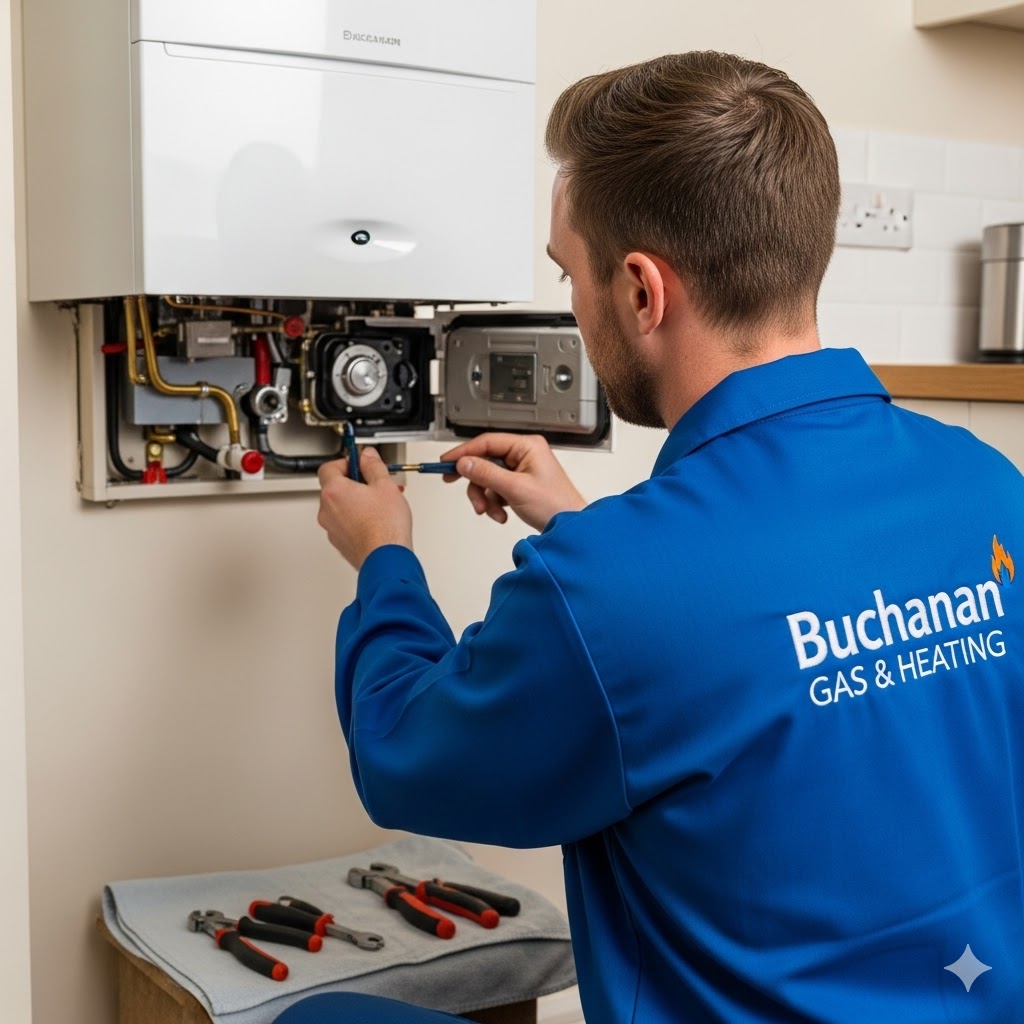
Safely handle gas leaks and faulty components – They have the expertise to detect even hidden leaks and fix them without putting you or your family at risk. Learn more about why choosing a certified Gas Safe engineer is crucial for your home's safety.
Diagnose and repair issues quickly – Experienced engineers can identify problems efficiently, minimizing downtime and keeping your home warm.
Ensure heating systems are compliant with regulations – Professionals guarantee that all repairs meet safety standards, helping you avoid fines or unsafe conditions.
Offer advice for preventing future breakdowns – Beyond fixing the immediate problem, they can recommend maintenance tips or upgrades to reduce the risk of recurring issues.
Provide emergency support during extreme conditions – Buchanan Gas & Heating offer 24/7 services, so you’re never left without heat in the coldest months.
Use certified parts and tools – Repairs are done with approved components to ensure longevity and safety of your heating system.
Deliver peace of mind – Knowing a qualified professional is handling your boiler gives you confidence and reduces stress during winter emergencies. If you're experiencing any of the top 10 warning signs your boiler needs repair, don't wait until it completely breaks down.
Choosing a qualified engineer ensures peace of mind and avoids risks associated with DIY repairs, while keeping your home safe, warm, and energy-efficient.
Planning Ahead for Winter
Even after your boiler is repaired, planning for the rest of winter is key:
- Check heating efficiency: Keep an eye on bills; sudden spikes may indicate issues.
- Inspect radiators and pipes: Address minor issues before they escalate.
- Schedule mid-winter checks if needed: Engineers can catch potential failures early.
A boiler breakdown in the middle of winter is stressful, but knowing how to act can make all the difference. Start with safety, do minor troubleshooting if it’s safe, and call a qualified Gas Safe engineer for serious problems. With proper maintenance, preparation, and awareness, you can reduce the chances of a winter boiler emergency, keeping your home safe, warm, and comfortable all season long.
Remember: Winter heating emergencies don’t have to ruin your season. With knowledge, preparation, and professional help, you can stay warm no matter how cold it gets outside.